
Persona Style Meets Brutal Card Battling: The Ultimate Tsukuyomi Review
Kazuma Kaneko’s Tsukuyomi immediately slaps you in the face with an incredibly stylish presentation that oozes Persona and Danganronpa energy right from the jump. It drops you straight into a sleek, dark world where card-based combat and eerie first-person dungeon crawling collide. You can feel the choose-your-own-adventure tension building with every single path you pick, making the stakes feel heavy right from the opening tutorial. It is a striking aesthetic that instantly hooks you, demanding your attention before you even play your first real hand.
[Specs] [Gameplay] [Performance] [Settings]
Kazuma Kaneko’s Tsukuyomi Nintendo Switch Review: Specs & HUD
- Download Size: Clocking in at a very manageable 1.9GB download size on the system.
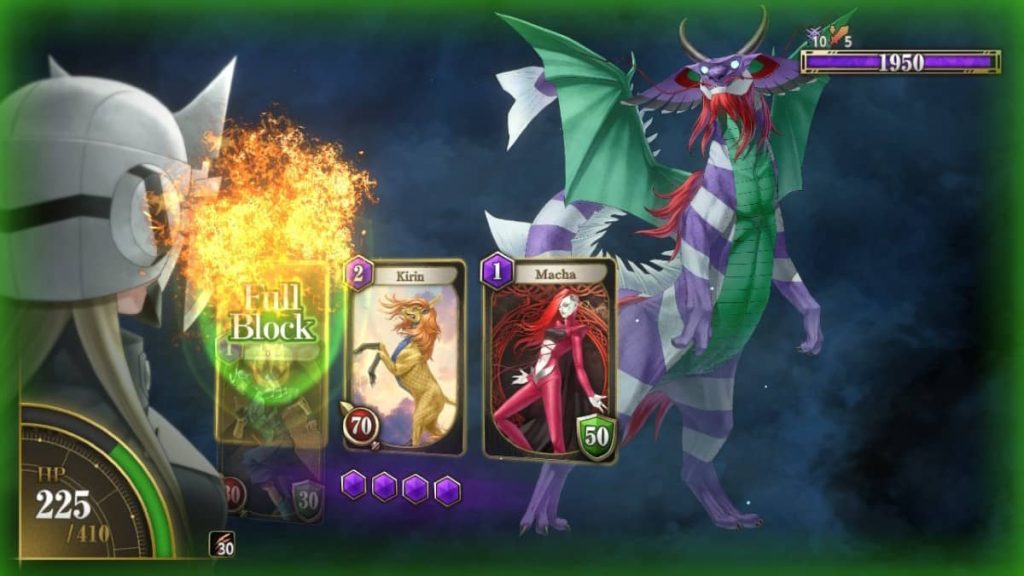
- Clean UI: All cards have their own unique abilities or powers, and thanks to the clean, easy to read ui, you see all this information, you never really feel like you don’t know what’s happening or why.
- Button Prompts: Useful button prompts help you with travelling around and combat.
- No Extra Trackers: There is no in-game achievements system or anything like it to track.
Gameplay Review & Mechanics Breakdown
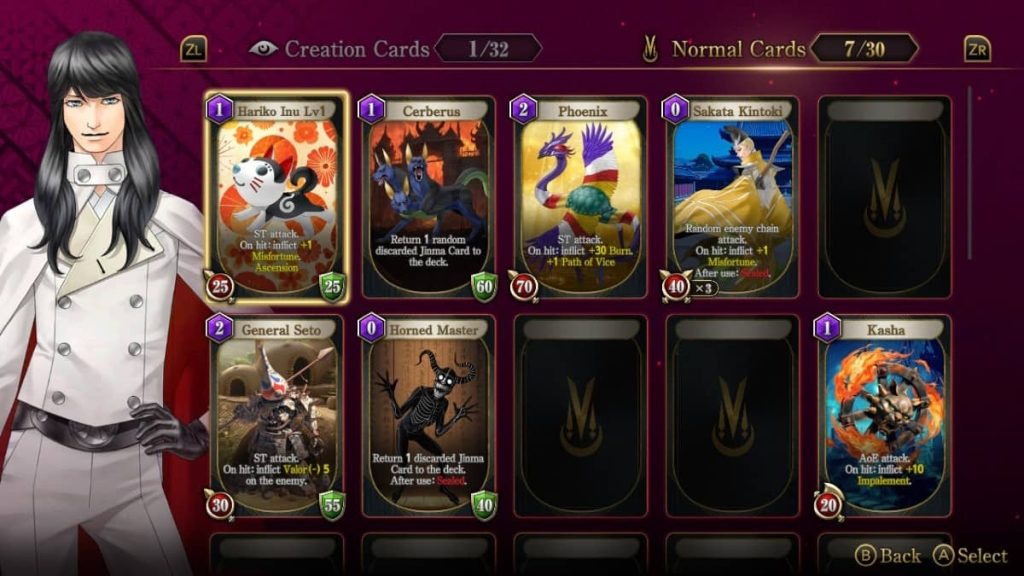
The card battler gameplay kicks off with an opening tutorial fight, then ongoing tutorial pop-ups as you play to show you the ropes. You play cards to attack and defend, where each card has an Odo value, you have x amount of Odo, and it replenishes each round. Your hand is three cards at a time, and the enemy will show attack strength, and where they are going to attack you (which card), you can then plan defence cards to absorb the attack. With cards in your hand, as said, you can defend against attacks, and to do this effectively, you can move cards around. As you progress in the game, you acquire new cards to build your deck. They come in 3 types: attack, defence, and balanced. Some cards let you upgrade them temporarily, but you can get them upgraded permanently. You also have Tsukimono, which are beings that trigger effects automatically, regardless of whether they are good or bad for you. They come in three types – Boon, Boon and Burden, and Burden, acting like modifiers or passives. Each enemy (usually a boss) has break conditions, and meeting these stuns the enemy and gives you Odo back. Creation cards are these super-powerful cards, and you gain new ones by getting the Okami gauge to zero. The type of creation card depends on your previous actions in the game, and they are immediate, follow orders, and beat down, which are all mostly decided in encounter choices. Zangestudo is the shop where you spend mana plates on new cards or upgrades.
In between battles, you are in first person, going around dungeons and buildings, you choose your route through them and can see enemies, loot, etc. Choose your own adventure vibes come from the game, from choosing your path to multiple-choice encounters. Rest sites show up occasionally on the map, and visiting one gives you the simple choice of recovering HP or upgrading a card. You have one persistent health bar until you die and start again, meaning when you get game over, all cards, mana plates, and Tsukimono are lost. Saving can be done after a floor boss or when you die, though it is possible to save mid-level, but it’s a one-or-nothing type deal, meaning you can quit then start a new game, then come back. You are earning EXP as you go through floors, and you get rewards and unlocks like new cards, more health, money, etc., and it’s again well presented and loaded with dopamine. Find files and logs to get the backstory and extra bits of lore. As you progress in the story, you actually play as different characters with different ways of playing. It’s a game you get into quickly. Early on, it feels the same, as it all looks the same, and you don’t get all the toys to play with, but it does open up. It’s a good card battler for those who want to play one but don’t want loads of mechanics and complicated deck building.
Kazuma Kaneko’s Tsukuyomi Nintendo Switch Review: Performance & Fidelity
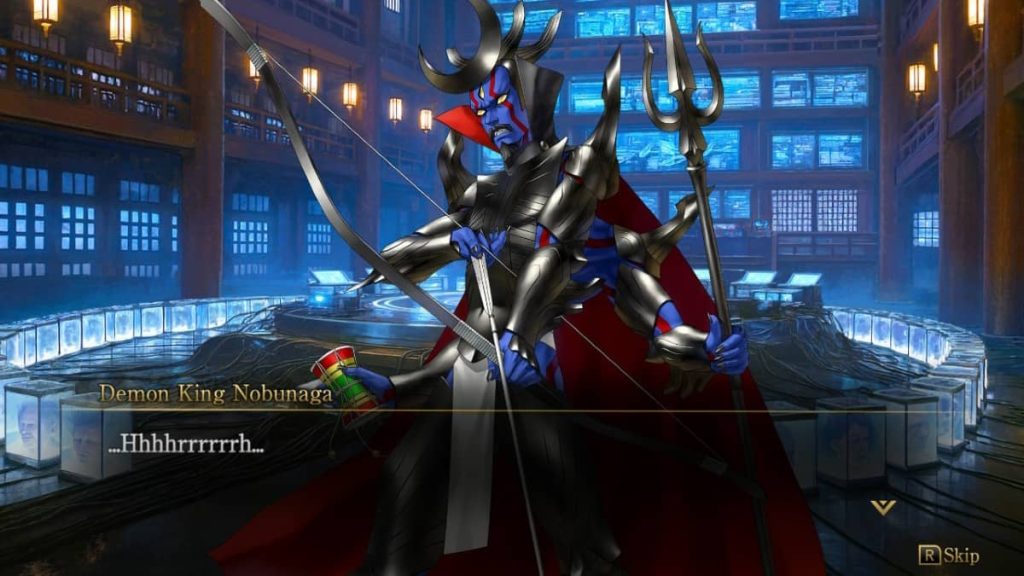
- Visual Style: Features excellent Anime graphics alongside awesome in-game cutscenes, artwork, and character interactions.
- Character Designs: Great-looking creatures and enemies you fight against, though I’m not a huge fan of the main characters.
- Audio Work: No real voice work, it’s all text-based, but that’s fine when playing handheld.
- Soundtrack: The music is great and fits well, though it does repeat a lot.
- Loading Times: Benefit from fast loading times across the board.
Settings, Customisation & Control Details
- Gameplay Settings: In the game settings, you can increase text speed, increase battle speed, and toggle vibration on or off.
- Cutscene Controls: Awesome in-game cutscenes, artwork, and character interactions are present, and you can skip and click through to speed them up.
- Audio Sliders: Includes specific audio sliders for sound effects, BGM, and master volume.
- Difficulty Options: There are no game options or difficulty tweaks available to change.
Related Gert Lush Gaming Reviews
- NEO: The World Ends With You Nintendo Switch Review
- Persona 5 Tactica Nintendo Switch Review
- Card Shark Nintendo Switch Review
Kazuma Kaneko’s Tsukuyomi Nintendo Switch Review
Summary
GOOD STUFF
The game draws you in immediately with its excellent Anime graphics, awesome in-game cutscenes, artwork, and character interactions that you can easily skip or click through to speed up. It is a very stylish game that is exceptionally well-presented, giving off heavy Persona or Danganronpa choose-your-own-adventure vibes as you pick your path through the first-person dungeons. The card battling system is easy to grasp with a clean, highly readable UI that ensures you always know what is happening, using three straightforward card types and smart Odo management. Levelling up feels great since the screen is loaded with dopamine when unlocking new cards, extra health, and money. Plus, the fast loading times and handy button prompts keep things moving quickly, while the text-based nature with no real voice work feels completely fine when playing handheld.
BAD STUFF
It takes a while to truly get going, and early on, it can feel a bit repetitive because everything looks the same and you aren’t given all the toys to play with right away. I am not a huge fan of the main characters’ designs, and the music, while fitting, repeats far too often. The first-person movement is fine, but I really wish it were fully manual so you could turn exactly when you wanted to, rather than only when the game decides to let you. It can be frustratingly vague, too, as I wish there were more guidance on what cards can and can’t do since you are blasted with tons of choices and complicated abilities. To make matters worse, defeating tough bosses feels completely uneventful and disappointing without any huge fanfare; there are no difficulty options to tailor the challenge, and the EXP system feels irrelevant because you always seem to earn the exact same amount. Worst of all, the permadeath loop is brutal, because when you get a game over, every single card, mana plate, and Tsukimono passive modifier you earned is completely wiped out.
FINAL VERDICT
Kazuma Kaneko’s Tsukuyomi delivers a gorgeously stylish card battler that succeeds in keeping deck building accessible without getting bogged down in overly bloated mechanics. However, the lack of manual control in exploration and the incredibly disappointing lack of fanfare after brutal boss fights definitely takes the wind out of its sails. The punishing progression wipe upon death will absolutely alienate players who don’t want their hard-earned upgrades to vanish in an instant. It is a slick, punchy experience well worth playing in handheld mode, but the repetitive early hours and strict layout mean it doesn’t quite reach its full potential.
