
P1 Anchor Light Review – Survive the Silence, Escape the Light
Step inside the gilded gloom of P1: Anchor Light, where opulence masks a creeping dread and every corridor hums with haunted intent. This isn’t just another anomaly-hunting game; it’s a descent into architectural madness, where light itself becomes your enemy. From its eerie “Red Light, Green Light” mechanic to the whispering walls that remember too much, we’ve plunged deep into its lavish lighthouse to uncover what lurks beneath the polished veneer. The beacon beckons, but trust it at your peril.
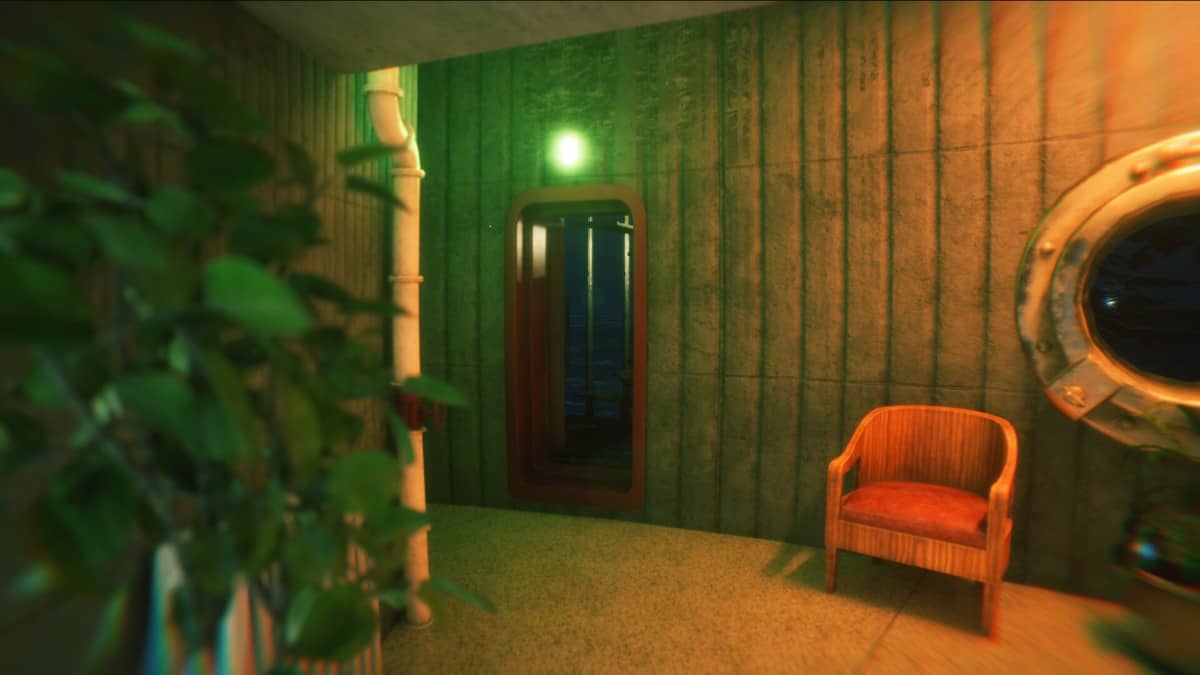
P1: Anchor Light Review Pros
- Decent graphics.
- 2.78GB Download size.
- Platinum trophy with 13 trophies.
- Anomaly hunting gameplay.
- Special settings for – motion sensor, motion sensor sensitivity, microphone sensing, and microphone sensitivity.
- Controller settings – Invert axis and sensitivity sliders, vibration, and Invert sticks.
- Audio sliders for – master, SFX, and music.
- The extras menu lets you view all found collectables in the game. There are 12 total.
- You play as an investigator for Paradise Corp.
- First-person view in a full 3D game world, and you can spin the camera 360 degrees.
- Fantastic location to explore and work in.
- Has a bit of a Bioshock feel to it, but this is more because of the time period and architecture rather than BIG Daddies chasing you down with a drill.
- At times, you will have an anomaly in a room (you know, because the music stops) with you, and you have to stop moving until it leaves or it gets you. This is much more tense when you use the more interactive options of motion and microphone support, as making a noise or moving the controller is enough to disturb them.
- It’s worth noting that the lights in the touch pad go crazy when an anomaly is in a room with you. I mention it as it looked cool when playing in low light.
- OK, so the deal here is you go up floors in a lighthouse, and on each floor, you have to fully explore it. At the end of the room is a green-lit and red-lit door; one says there are anomalies present, and the red is that there isn’t. Get 9 correct in a row to reach the top of the lighthouse.
- When you fail a room clear and door choice, you start again.
- There are a lot of little tidbits to find as you explore.
- A great idea for a game.
- Excellent vibration integration, it will slow rumble as you move around and then pulse when an anomaly is in the room.
- Rooms are all varied and can have their own challenge or quirk to them.
- You can pause the game.
- Each room is randomised; it may not be the whole room, but it is definitely the contents and placement of the room.
- You never really know what is going on, as in are our pictures giving clues, or why did I fail that time? It can be frustrating, but honestly, it’s part of what makes the game what it is as you learn yourself how to progress.
- Basically, the game is musical statutes but with death, and much like the original gam,e it punishes the weak.
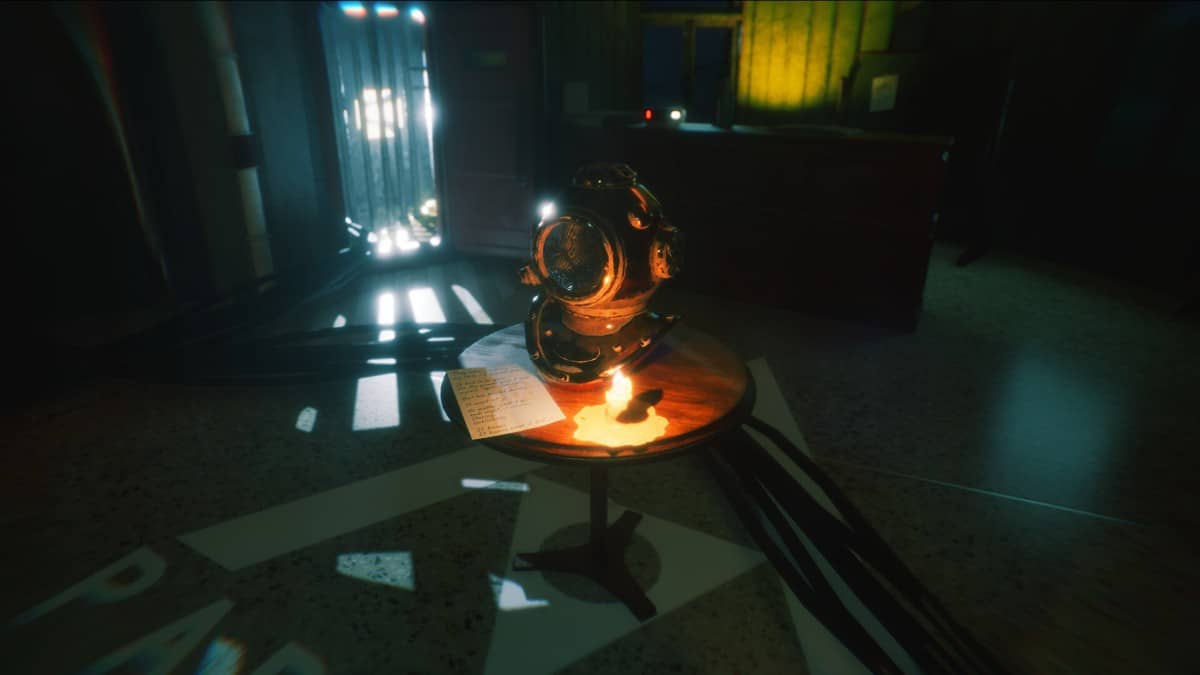
P1: Anchor Light Review Cons
- Horrible continuous beeping sound, I get why it’s in the game, it’s like the tracker in Aliens, but it just hits like a drum to the face after a while.
- No accessibility options like Colourblind or sound sensitivity or anything like that.
- You cannot remap the controls.
- The movement can feel a bit wishy-washy and loose, and I am not a fan of the blurred vision that can happen.
- You only get a centre cursor when you can interact with something, and not at any other time.
- It could be a random blip, but the vibration was turned off from the start.
- The game really doesn’t give you a lot of information, and it feels cheap in places like being caught when you are in fact still.
- The game is frustrating until it starts clicking, and this is a personal thing as to how long that takes.
Related Post: Tokyo Jungle PS3 Review – Still Wild, and Brutal in 2025
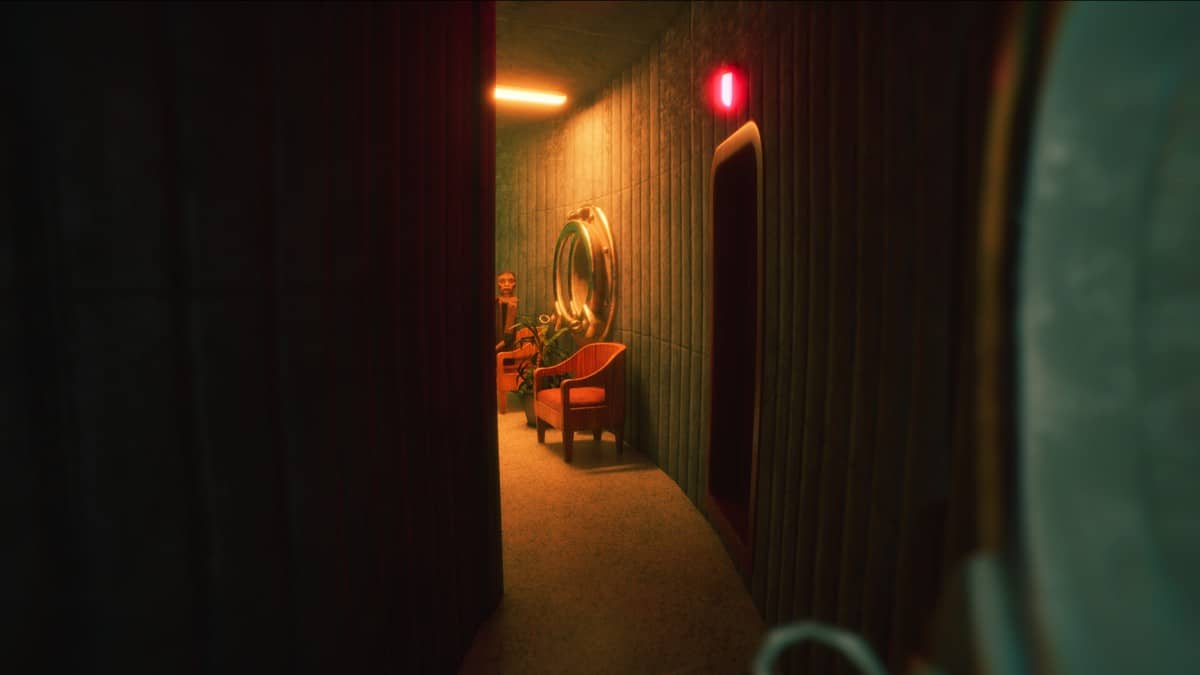
P1: Anchor Light
Developer: Deadbolt Interactive
Publisher: Perp Games
Store Link:
P1: Anchor Light Review
Summary
P1 Anchor Light – The Thrills and Highlights of Gameplay
P1 Anchor Light throws you into a lavish lighthouse where dread lurks behind every polished corner. You play as an investigator for Paradise Corp, navigating floor-by-floor in a tense anomaly-hunting setup. The core mechanic is a deadly twist on “Red Light, Green Light”: stop moving when the music cuts or risk being taken by an unseen presence. With motion and microphone sensing enabled, even a twitch or breath can trigger disaster. Each room randomises its layout and challenges, keeping you guessing. The touchpad lights react to anomalies, adding a cool layer of immersion. Vibration feedback pulses with danger, and the 360-degree camera lets you soak in the eerie atmosphere. It’s musical statues with death, and the game punishes hesitation.
P1 Anchor Light – Where It Falls Short: Key Negatives
Despite its clever concept, P1 Anchor Light stumbles in a few areas. The constant beeping meant to mimic a tracker quickly becomes grating. Accessibility is lacking, with no options for colourblind players or sound sensitivity. Controls can’t be remapped, and movement feels loose. Blurred vision effects and inconsistent feedback (like being caught while still) add frustration. The game offers little guidance, leaving players to figure things out through trial and error. Vibration was inexplicably off by default, and the absence of a persistent cursor makes interaction clunky. It’s a game that clicks eventually, but the learning curve can feel cheap and punishing.
P1 Anchor Light – Immersive Story and Narrative Elements
The narrative in P1 Anchor Light is more implied than explicit, but it’s effective. You’re dropped into a gilded nightmare where opulence masks something sinister. The lighthouse itself feels alive, its walls whisper, its rooms shift, and its beacon beckons with false promises. You’re not just exploring; you’re descending into architectural madness. The story unfolds through environmental cues and collectables, with 12 hidden items offering glimpses into the world. It’s a slow-burn descent into paranoia, where every floor climbed feels like a step deeper into something you shouldn’t understand.
P1 Anchor Light – Visual and Performance Aspects
Visually, P1 Anchor Light delivers decent graphics for its 2.78GB size. The setting is rich with period architecture that evokes a Bioshock-like vibe, minus the drill-wielding monsters. Lighting plays a key role, especially in low-light play, where the touchpad glow adds tension. Rooms are varied and visually distinct, each with its own quirks. Performance-wise, the game runs smoothly, and the vibration integration is a standout; subtle rumbles build suspense, while sharp pulses signal danger. Audio sliders let you tweak SFX and music, though the lack of accessibility options and cursor visibility detracts from the overall polish.
P1 Anchor Light – Overall Verdict: Is It Worth Playing?
P1 Anchor Light is a bold experiment in tension and atmosphere. It’s not for everyone; its lack of handholding and rough edges will frustrate some, but for players who enjoy learning through failure and soaking in dread, it offers a unique experience. The anomaly-hunting gameplay, immersive setting, and reactive controls create a memorable loop. It’s musical statues with consequences, wrapped in a haunting lighthouse climb. If you’re after something different and can forgive its flaws, P1 Anchor Light might just shine.
Back of the Box Quotes
“
“P1 Anchor Light turns motion into menace and whispers into warnings.”
